Trong các ứng dụng công nghiệp và xây dựng hiện đại, mức tiêu thụ năng lượng của
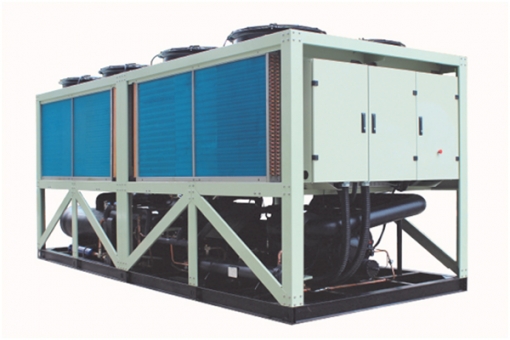
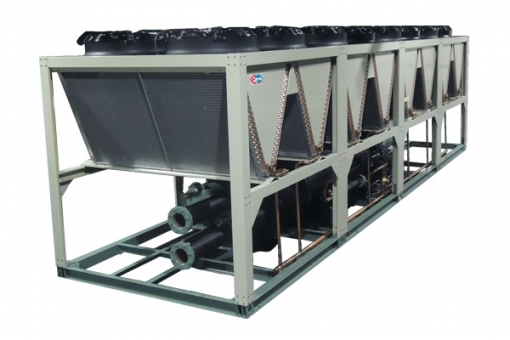
low-temperature air-cooled chillers
is a growing concern. Recovering waste heat from these systems can significantly improve overall energy efficiency while reducing operational costs and environmental impact. So, how exactly does heat recovery work in these systems?

1. Using High-Efficiency Heat Exchangers
A key method for heat recovery is integrating high-efficiency heat exchangers into the chiller system.
When the air-cooled chiller releases waste heat, this thermal energy is transferred to a secondary medium—such as water or air—inside the heat exchanger. The recovered heat can then be reused for:
• Preheating fresh air
• Supplying domestic hot water
• Industrial process heating
By using counter-flow heat exchange, hot and cold fluids make full thermal contact, maximizing heat transfer efficiency. Compact and efficient plate heat exchangers are particularly suitable for air-cooled chiller heat recovery due to their high thermal conductivity and small footprint.
2. Integrating Heat Pump Technology
Another effective approach is integrating heat pump technology into the system.
Even though low-temperature air-cooled chillers operate at lower temperatures, their exhaust air or cooling loop still contains recoverable heat energy.
A heat pump can:
• Absorb low-grade heat from the chiller's exhaust
• Compress and elevate the temperature
• Deliver the upgraded heat to other applications
Using VRF (Variable Refrigerant Flow) heat pump systems allows flexible heat recovery according to real-time demand and adapts efficiently to varying operating conditions of the chiller.
3. Optimizing the Control System
A smart and precise control system is essential for effective heat recovery.
The control system continuously monitors parameters such as:
• Temperature
• Pressure
• Flow rate
Based on real-time data, it adjusts the heat recovery equipment to ensure optimal performance.
When multiple heat-use terminals exist, the system must also intelligently distribute heat to meet different demands without wasting energy.
Conclusion
Through the combined use of
high-efficiency heat exchangers
, integrated heat pump technology, and intelligent control strategies, low-temperature air-cooled chillers can achieve substantial heat recovery. This not only enhances system energy efficiency but also contributes to greener and more economical operation.